
CISO Executive Search: 2025 Playbook
CISO executive search has never been more challenging than in 2025. Every 39 seconds, another cyber attack strikes a business somewhere in the world.
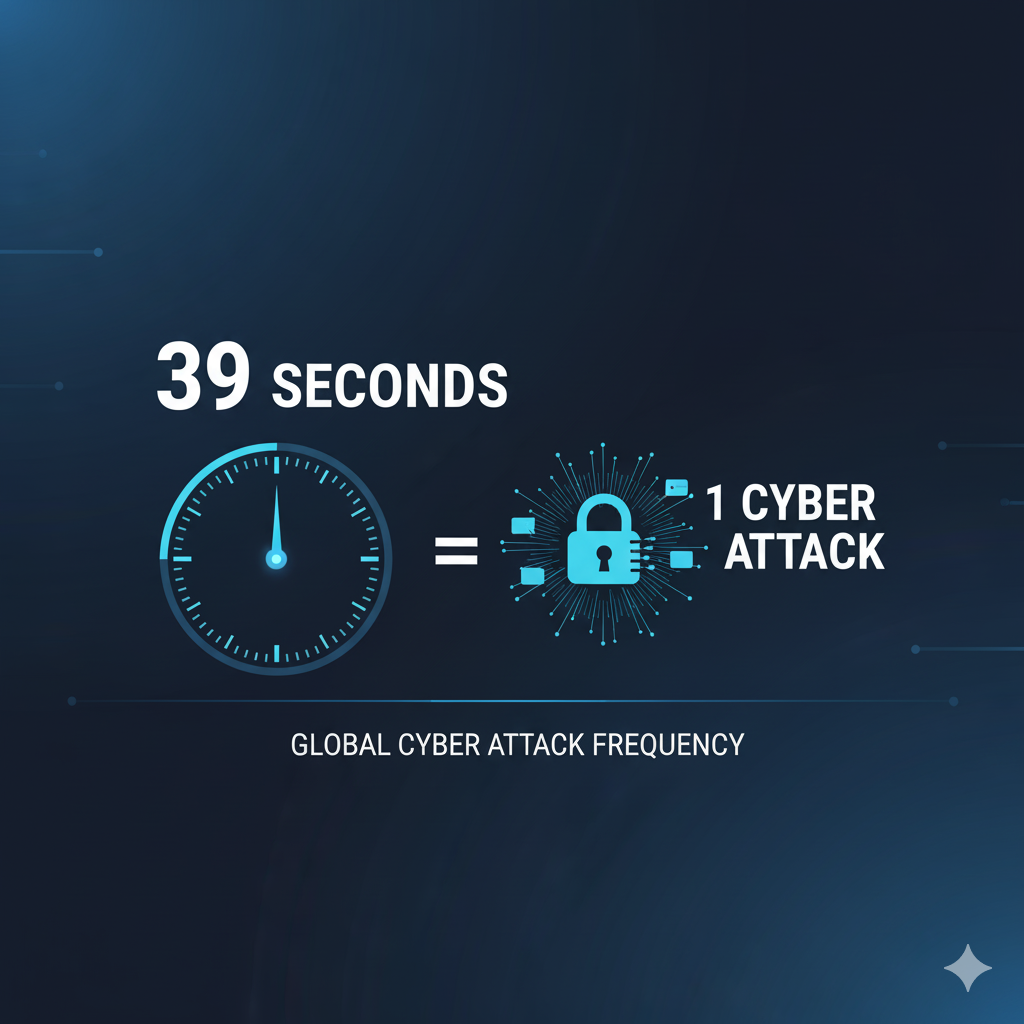
While you’re reading this sentence, hackers are probing networks and exploiting vulnerabilities. They threaten the very survival of organizations that lack proper cybersecurity leadership.
Yet here’s the crisis that should keep every Fortune 500 CEO awake at night. 50% of current CISOs will leave their jobs by 2025 due to work-related stress. 25% will abandon the cybersecurity field entirely according to Gartner’s 2023 projections.
This creates an unprecedented challenge for CISO executive search efforts across all industries.
The numbers reveal an unprecedented convergence:
- 3.5 million unfilled cybersecurity positions globally with 750,000+ vacant roles in the U.S. alone
- Security spending growth dropped to 10.9% in 2025 – the first decline in five years
- Only 47.9% of companies achieved their hiring goals in 2024 – the lowest rate in four years
- CISO tenure averages just 18-26 months compared to 4.9 years for other C-suite executives
This isn’t just a talent shortage. This is a perfect storm converging on 2025. Economic pressures are colliding with escalating cyber threats. Meanwhile, the very professionals needed to protect organizations are burning out and walking away.
“We expect brisk hiring in the cybersecurity space for the rest of this year, and through 2025,” says Steve Morgan, founder of Cybersecurity Ventures. “Despite the disarray of the tech industry, cybersecurity remains a near-zero unemployment marketplace.”
The convergence is unprecedented. Organizations desperately need cybersecurity leadership precisely when qualified CISOs are hardest to find, most expensive to hire, and least likely to stay. For executives tasked with protecting their organizations while safeguarding their personal liability, understanding how to navigate this crisis isn’t optional – it’s existential.
The Financial Stakes – What’s Really at Risk in CISO Executive Search
 The mathematics of cybersecurity leadership gaps are brutal and unforgiving for enterprise executives. They face personal legal liability.
The average data breach now costs $4.88 million. This represents a staggering 15% increase since 2020, according to IBM’s latest Cost of a Data Breach Report. But for Fortune 500 CEOs, the real risk extends far beyond corporate losses. It includes personal criminal liability, shareholder lawsuits, and congressional testimony requirements.
Cybersecurity Ventures projects that cybercrime will cost the global economy $10.5 trillion by 2025. This makes it more profitable than the illegal drug trade and more destructive than natural disasters. For publicly traded companies, each major breach triggers immediate market cap destruction, credit rating downgrades, and activist investor challenges.
Executive Personal Liability Crisis
SEC Personal Accountability: Under new cybersecurity disclosure rules, CEOs and CFOs face personal criminal liability for material misstatements about cybersecurity incidents and risk management. The CISO serves as the primary shield protecting executives from regulatory prosecution.
Shareholder Derivative Lawsuits: Directors and officers face increasing personal financial exposure from shareholders claiming inadequate cybersecurity oversight. Delaware courts have upheld piercing the corporate veil for cybersecurity negligence. This makes personal asset protection a fiduciary imperative.
Congressional Testimony Requirements: Major breaches now trigger congressional hearings requiring CEO testimony. Executives need CISOs capable of preparation, crisis communication, and public representation at the highest government levels.
D&O Insurance Exclusions: Directors and Officers insurance increasingly excludes cybersecurity-related claims. This leaves executives personally exposed to multi-million dollar legal costs and judgments.
Market Capitalization and Shareholder Value Impact
Immediate Stock Price Destruction: Equifax lost $4 billion in market cap within days of breach disclosure. Target’s market value dropped $5 billion. For Fortune 500 CEOs compensated largely through equity, cybersecurity failures directly impact personal wealth.
Credit Rating Downgrades: Major breaches trigger credit agency reviews. This increases borrowing costs and constrains capital allocation strategies essential for growth and M&A activities.
Competitive Disadvantage: Cybersecurity incidents create lasting reputation damage. This impacts customer acquisition, retention, and pricing power. It directly affects EBITDA and shareholder returns.
M&A Due Diligence Failures: Inadequate cybersecurity leadership prevents companies from identifying acquisition risks or completing transformative deals. Verizon’s $350 million price reduction for Yahoo following breach disclosure demonstrates the M&A impact.
For CFOs evaluating CISO executive search investments, the financial equation is stark. The total cost of hiring a qualified CISO ranges from $100,000 to $500,000+ depending on company size. This includes executive search fees of 25-35% of first-year salary. With average CISO compensation at $258,235, search fees alone can reach $90,000 for mid-market companies and over $400,000 for Fortune 500 enterprises.
Yet these upfront costs pale compared to the personal legal liability, market cap destruction, and career-ending reputational damage that executives face without proper cybersecurity leadership.
The Cascade of Enterprise-Level Consequences
Extended Search Timelines: Industry-standard CISO executive search processes take 90-180 days. During this time, Fortune 500 companies face nation-state attacks, supply chain compromises, and regulatory enforcement actions without strategic security leadership.
M&A Integration Failures: Without qualified CISOs, major acquisitions fail cybersecurity due diligence. This creates post-merger integration disasters that destroy deal value and competitive positioning.
Supply Chain Risk Exposure: Enterprise companies manage thousands of vendor relationships. Inadequate CISO leadership creates cascading third-party failures that disrupt global operations and customer commitments.
Regulatory Enforcement Escalation: Banking, healthcare, and critical infrastructure companies face consent orders, business restriction orders, and executive sanctions when cybersecurity leadership gaps compromise regulatory compliance.
Enterprise ROI Analysis
“We are seeing incredibly small budget availability for staff and much more willingness to spend on tools than people,” explains Nick Kakolowski, senior research director at IANS. This shift creates dangerous imbalances. Fortune 500 companies invest billions in technology while neglecting the executive leadership needed to orchestrate enterprise-wide security strategy.
Consider the enterprise ROI calculation. A $500,000 investment in CISO executive search and placement prevents potential losses of:
- $4.88 million average breach costs
- $100+ million in market cap destruction
- $50+ million in regulatory fines and legal costs
- $25+ million in failed M&A due diligence
- Personal executive liability exposure exceeding $10 million
The hard truth facing Fortune 500 executives in 2025: the cost of inadequate cybersecurity leadership far exceeds any hiring investment. It creates existential personal liability that threatens executive careers and personal wealth.
Time-to-Fill Crisis – The 60-Day CISO Executive Search Advantage
Speed kills in cybersecurity recruitment – and not in the way you might expect.
While organizations agonize through 90-180 day CISO executive search processes, the threat landscape evolves. Competitors poach candidates. Security gaps widen. The University of Maryland’s finding that cyber attacks occur every 39 seconds means something critical. During a typical 120-day search, your organization faces over 259,000 potential attack vectors. All while operating without strategic security leadership.
The Acceleration Imperative
The cybersecurity recruitment market operates on compressed timelines. Traditional hiring processes cannot accommodate these demands. Top CISO candidates receive multiple offers within weeks. They often accept positions before lengthy corporate approval cycles complete. Organizations that cannot move quickly lose the best talent to more decisive competitors.
Consider the competitive dynamics:
Market Window Opportunities: A-list CISOs become available in narrow windows. These are often triggered by organizational changes, acquisitions, or strategic pivots. Companies must be prepared to move within days, not months, to capture exceptional talent.
Candidate Availability Fluctuations: The small pool of qualified CISOs means availability changes rapidly. A candidate who seems perfect in week one may accept another offer by week three if decision-making drags.
Threat Landscape Evolution: Security threats don’t pause for hiring cycles. The threat environment your organization faces at the start of a search may be fundamentally different by completion. This requires adjusted candidate requirements and capabilities.
The Recrewmint 60-Day Methodology
Our accelerated CISO executive search approach leverages four critical advantages:
Pre-Built Candidate Pipelines: We maintain continuous relationships with qualified CISOs. This enables immediate candidate identification rather than starting searches from zero.
AI-Enhanced Screening: Advanced assessment technologies compress weeks of evaluation into days. We maintain thoroughness while accelerating timelines.
Board-Ready Presentation Templates: Pre-formatted materials enable rapid candidate presentation to decision-makers. This eliminates administrative delays.
Streamlined Background Verification: Established relationships with security clearance and background check providers compress verification timelines. We reduce weeks to days.
The result: average placement timelines of 60 days compared to industry standards of 90-180 days. This provides organizations with qualified security leadership while competitors remain stuck in extended search cycles.
In 2025’s hyper-competitive CISO market, speed isn’t just an advantage – it’s a survival requirement.
Modern CISO Executive Search – What Fortune 500 Executives Must Know
The CISO role for enterprise companies has fundamentally transformed from technical specialist to executive crisis manager, regulatory shield, and business enabler. Modern CISO executive search requires identifying candidates who directly protect CEO personal liability while enabling competitive advantage.
Fortune 500 cybersecurity leadership demands capabilities that extend far beyond traditional IT security functions. These include congressional testimony preparation, nation-state threat management, and multi-billion dollar M&A due diligence oversight.
Executive Crisis Leadership at Scale
Congressional Testimony and Media Management: Fortune 500 CISOs must be capable of preparing CEOs for congressional hearings, managing Senate committee testimony, and representing the organization during national security briefings. The ability to communicate complex technical concepts to senators, cabinet members, and federal prosecutors becomes essential for organizational survival.
Nation-State Attack Coordination: Enterprise CISOs coordinate directly with NSA, FBI, and international intelligence agencies during nation-state attacks that threaten critical infrastructure, financial systems, or national security interests. They serve as primary liaison between corporate leadership and federal law enforcement.
Market Crisis Communication: During major incidents, Fortune 500 CISOs manage investor relations, credit rating agency briefings, and analyst calls while coordinating with legal counsel on SEC disclosure requirements and shareholder lawsuit defense strategies.
Supply Chain Risk Orchestration: Enterprise companies manage thousands of vendor relationships representing billions in annual spending. CISOs must orchestrate third-party risk assessments, vendor security certifications, and supply chain continuity planning that directly impacts global operations and customer commitments.
Business Integration and Competitive Advantage
M&A Due Diligence Leadership: Fortune 500 CISOs lead cybersecurity evaluation of multi-billion dollar acquisition targets, identifying risks that could destroy deal value, create integration failures, or expose acquiring companies to unknown liabilities. They coordinate with investment banking teams, legal counsel, and board committees throughout transaction processes.
Competitive Intelligence and Moat Building: Modern enterprise CISOs understand how cybersecurity capabilities create competitive advantages, enable market expansion, and protect proprietary information that drives shareholder value. They articulate security investments in terms of market positioning and competitive differentiation.
Global Regulatory Navigation: Fortune 500 companies operate across dozens of jurisdictions with conflicting regulatory requirements. CISOs must coordinate compliance with GDPR, CCPA, COPPA, New York SHIELD Act, Florida Digital Bill of Rights, DORA, NIST 2.0, CRA, and industry-specific frameworks while maintaining operational efficiency and business agility.
Enterprise Risk Management Integration: CISOs serve as primary liaison between board risk committees, audit committees, and compliance functions, translating cybersecurity risks into enterprise risk framework terminology that directors understand and can act upon.
2025-Specific Enterprise Requirements
SEC Cybersecurity Disclosure Expertise: Understanding Form 8-K filing requirements, materiality assessments, and the personal criminal liability implications for executives who fail to meet disclosure obligations. Fortune 500 CISOs must coordinate directly with general counsel and external securities lawyers.
NIST AI Risk Management Framework: Implementing structured approaches to AI risk assessment for enterprise-scale AI deployments affecting millions of customers and billions in revenue. This includes coordination with product management, legal, and regulatory affairs teams.
As AI adoption accelerates across Fortune 500 enterprises, many organizations are discovering they need specialized Chief AI Security Officer leadership to address the unique risks and regulatory requirements of artificial intelligence deployments.
DORA (Digital Operational Resilience Act): Managing EU requirements for financial entities to strengthen operational resilience, including third-party risk management affecting thousands of vendors, incident reporting protocols, and digital operational resilience testing across global operations.
NIST 2.0 Framework: Adapting to the updated NIST Cybersecurity Framework with enhanced governance focus, supply chain security requirements, and organizational context integration suitable for Fortune 500 complexity and regulatory scrutiny.
CRA (Cyber Resilience Act): Preparing for EU requirements that mandate cybersecurity measures for digital products throughout their lifecycle, affecting manufacturers and importers of connected devices across global supply chains.
Critical Red Flags in CISO Executive Search for Fortune 500 Hiring
Lack of Incident Response Experience: The most critical red flag is candidates who’ve never managed nation-state attacks, congressional inquiry preparation, or crisis communication with federal agencies. Without experience coordinating with FBI, NSA, or international intelligence services during major incidents, they cannot provide the crisis leadership Fortune 500 companies require.
No Congressional or Regulatory Testimony Experience: CISOs who haven’t prepared executives for congressional hearings, regulatory examinations, or federal prosecutor meetings lack the gravitas needed for Fortune 500 crisis management and legal defense coordination.
No MBA or Advanced Business Certifications: Executive-level CISOs require business acumen that technical certifications don’t provide. Candidates lacking MBAs, business certifications (such as FINRA Series 66 or Series 7 for financial services), or advanced financial analysis capabilities cannot effectively communicate with investment committees, credit rating agencies, or board risk committees.
Inability to Articulate Market Cap Impact: Technical experts who cannot translate security investments into shareholder value creation, competitive positioning, or market capitalization protection will struggle in Fortune 500 roles where every decision affects stock price and analyst coverage.
No Security First Culture at Enterprise Scale: Organizations need CISOs who can build, implement, and continuously evolve security cultures across tens of thousands of employees, multiple geographic regions, and complex subsidiary structures. Equally problematic are CISO candidates who’ve never created enterprise-wide security transformation programs.
Missing M&A Due Diligence Track Record: Candidates must demonstrate experience evaluating multi-billion dollar acquisition targets, identifying deal-breaking cybersecurity risks, and leading post-merger integration security programs that preserve transaction value and competitive advantage.
Why Enterprise Battle-Testing Matters
Fortune 500 boards and CEO peers gain respect for CISOs during congressional hearings, nation-state attacks, and federal enforcement actions. A candidate who has never coordinated with federal agencies during crisis situations, prepared executives for regulatory testimony, or managed enterprise-scale incident response lacks the executive presence needed for Fortune 500 leadership.
These enterprise battle-tested experiences provide the regulatory relationships, crisis management instincts, and federal coordination capabilities that transform technical experts into trusted Fortune 500 security leaders capable of protecting CEO personal liability while enabling business growth.
The Recrewmint CISO Executive Search Framework
Strategic CISO executive search demands a fundamentally different approach than traditional executive search methodologies. The compressed timelines, specialized skill requirements, and high-stakes nature of cybersecurity leadership require a framework optimized for both speed and precision.
Step 1: Strategic Profile Development
The foundation of successful CISO executive search begins with comprehensive organizational assessment. This extends beyond job descriptions to understand the true security leadership requirements.
Board Risk Tolerance Assessment involves detailed conversations with directors and executive leadership to understand appetite for security investments, incident response expectations, and regulatory compliance priorities. This intelligence shapes candidate selection criteria and ensures cultural alignment from day one.
Organizational Security Maturity Evaluation determines whether candidates need to build programs from scratch, optimize existing frameworks, or lead transformation initiatives. A startup requiring security foundation-building demands different capabilities than an enterprise needing regulatory compliance leadership.
Cultural Alignment Requirements identify the leadership style, communication preferences, and collaborative approaches that succeed within specific organizational dynamics. Technical brilliance fails without cultural integration.
Compensation Benchmarking ensures competitive positioning while maintaining budget parameters, considering total rewards packages, equity participation, and retention incentive structures.
Step 2: Advanced Vetting Process
Our comprehensive candidate evaluation process compresses traditional assessment timelines while maintaining thoroughness through specialized cybersecurity recruitment expertise.
Technical Competency Validation goes beyond resume review to verify actual capabilities through scenario-based discussions, reference verification with technical colleagues, and assessment of real-world problem-solving approaches during crisis situations.
Leadership Assessment Methodologies evaluate candidates’ ability to build and manage security teams, influence cross-functional collaboration, and communicate effectively with executive leadership and board members during high-pressure situations.
Reference Verification Protocols include conversations with board members, executive colleagues, and team members from multiple organizational levels to understand leadership effectiveness, crisis management capabilities, and cultural integration success.
Background Security Clearance Coordination streamlines the verification process for candidates requiring security clearances, leveraging established relationships with clearance providers to minimize timeline delays.
Step 3: Board-Calibrated Interviews
Executive-level cybersecurity hiring requires interview processes designed for C-suite evaluation standards and board member participation.
Executive Interview Preparation includes coaching candidates on business-focused communication, risk articulation techniques, and strategic presentation approaches that resonate with financial and operational executives.
Board Member Participation Strategy facilitates direct interaction between candidates and board members, enabling assessment of communication effectiveness, strategic thinking, and crisis management credibility.
Scenario-Based Questioning Frameworks present candidates with realistic crisis situations, regulatory challenges, and strategic decisions to evaluate problem-solving approaches, leadership instincts, and business judgment under pressure.
Cultural Fit Evaluation Metrics assess candidates’ alignment with organizational values, leadership styles, and collaborative approaches through structured behavioral interviewing and peer interaction observations.
Step 4: Accelerated Placement
The final phase focuses on rapid decision-making, competitive offer presentation, and seamless integration planning.
Offer Negotiation Best Practices leverage market intelligence, compensation benchmarking, and candidate motivation insights to structure competitive packages that secure acceptance while maintaining budget parameters.
Onboarding Integration Planning includes 90-day roadmaps, stakeholder introduction schedules, and early-win identification to ensure immediate effectiveness and long-term retention.
Success Metrics Establishment defines measurable objectives, performance indicators, and milestone achievements that align security leadership with business objectives from the first day.
Retention Strategy Development addresses the factors that contribute to CISO turnover, including board support, resource allocation, and career development opportunities that encourage long-term commitment.
The Recrewmint Difference
Our specialized approach delivers measurable advantages in the competitive 2025 CISO market:
- 60-day average placement compared to industry standards of 90-180 days
- 95%+ offer acceptance rate through comprehensive candidate preparation and competitive positioning
- Pre-qualified candidate pipeline enables immediate search initiation rather than months of sourcing
- Board presentation training included to ensure candidates communicate effectively with executive leadership
- Guaranteed placement with replacement commitment if initial placements don’t meet expectations
This framework recognizes that CISO hiring is not traditional executive recruitment – it requires specialized expertise, accelerated timelines, and deep understanding of both cybersecurity requirements and executive leadership demands.
CISO Executive Search Case Study: From 12 Months Open to 60 Days Filled
A Fortune 500 financial services company approached Recrewmint after 12 months of failed internal recruitment efforts. They needed expert CISO executive search support after multiple security incidents during the vacancy and increasing board pressure for resolution.
The Challenge
Extended Search Failure: Internal HR teams and two previous search firms had failed to identify suitable candidates over 12 months, despite significant financial investment and executive attention.
Security Incidents During Vacancy: The company experienced three significant security events during the CISO absence, including a phishing attack that compromised client data and a ransomware attempt that disrupted operations.
Board Pressure and Regulatory Scrutiny: Federal regulators had flagged the cybersecurity leadership gap during routine examinations, and board members were questioning management’s ability to protect organizational assets.
Competitive Market Dynamics: Top CISO candidates were accepting offers from competitors while the company remained stuck in extended evaluation cycles.
The Recrewmint Solution
Strategic Requirements Reset: We conducted comprehensive stakeholder interviews to understand why previous searches had failed, identifying unrealistic expectations, inadequate compensation benchmarking, and poor cultural fit assessment as core issues.
Targeted Candidate Identification: Our pre-existing relationships with qualified CISOs enabled immediate access to passive candidates who weren’t actively searching but were open to exceptional opportunities.
Accelerated Vetting Process: Compressed evaluation timelines through parallel reference checking, technical assessment, and cultural fit evaluation while maintaining thoroughness standards.
Board-Ready Presentation: Prepared candidates for executive-level interviews with coaching on business communication, risk articulation, and strategic thinking presentation techniques.
The Results
60-Day Placement Timeline: From engagement to offer acceptance in exactly 60 days, compared to the previous 12 months of unsuccessful searching.
Immediate Security Posture Improvement: The new CISO implemented enhanced security protocols within 30 days, preventing two subsequent attack attempts and improving overall organizational resilience.
Successful Regulatory Examination: The company passed its next federal examination with commendation for cybersecurity leadership and program effectiveness.
18-Month Retention Milestone: The placed CISO has exceeded performance expectations and committed to long-term organizational leadership, ending the cycle of security leadership instability.
The transformation from 12 months of failure to 60 days of success demonstrates the critical importance of specialized cybersecurity recruitment expertise in the challenging 2025 market environment.
FAQ Section: CISO Executive Search Essentials for Fortune 500 CEOs
How does a CISO protect me from personal criminal liability?
CISOs serve as your primary regulatory shield under SEC cybersecurity disclosure rules, ensuring accurate materiality assessments, timely Form 8-K filings, and defensible incident response documentation that protects executives from criminal prosecution.
They coordinate directly with general counsel and securities lawyers to maintain attorney-client privilege during investigations while building documentary evidence that demonstrates reasonable cybersecurity oversight and due diligence.
Qualified CISOs establish board reporting protocols, audit trails, and compliance frameworks that create legal safe harbors for executive decision-making during crisis situations and regulatory examinations.
What’s the market cap impact of inadequate cybersecurity leadership?
Immediate stock price destruction averages 5-10% following major breach disclosure, with recovery taking 12-24 months. Equifax lost $4 billion in market cap within days; Target lost $5 billion.
Credit rating agencies increasingly factor cybersecurity leadership into corporate ratings, affecting borrowing costs and debt capacity essential for growth and M&A strategies.
Analyst coverage and institutional ownership decline when cybersecurity incidents demonstrate management failures, reducing trading multiples and limiting access to capital markets.
Competitive positioning suffers as customers, partners, and acquisition targets lose confidence in data protection capabilities, directly impacting revenue growth and market share.
How do I evaluate CISO capabilities for congressional testimony and federal coordination?
Assess candidates’ experience preparing executives for congressional hearings, regulatory examinations, and federal prosecutor meetings through specific examples and reference verification with legal counsel who participated in these proceedings.
Evaluate their relationships with federal agencies including FBI, NSA, CISA, and international intelligence services developed during nation-state incidents or critical infrastructure protection initiatives.
Review their crisis communication track record during high-profile incidents, including media management, analyst briefings, and shareholder communication coordination.
Verify their ability to translate complex technical concepts into business language suitable for senators, prosecutors, and federal investigators who lack technical expertise but wield regulatory authority.
What M&A due diligence capabilities should CISOs possess?
CISOs must demonstrate experience evaluating multi-billion dollar acquisition targets, identifying cybersecurity risks that could destroy deal value, create integration failures, or expose acquiring companies to unknown regulatory liabilities.
They should coordinate with investment banking teams, legal counsel, and board committees throughout transaction processes, providing risk assessments that enable informed investment decisions and accurate deal pricing.
Post-merger integration expertise becomes essential, including the ability to harmonize security frameworks, integrate global operations, and maintain compliance across newly combined regulatory jurisdictions.
Regulatory approval support for transactions requiring federal review, including coordination with CFIUS, banking regulators, and international competition authorities who increasingly scrutinize cybersecurity capabilities.
How do I quantify cybersecurity ROI for board and investor communications?
Qualified CISOs translate security investments into basis points of risk reduction, EBITDA protection, and competitive advantage metrics that resonate with institutional investors and credit rating agencies.
They provide market capitalization impact analysis showing how cybersecurity capabilities protect and enhance shareholder value through customer retention, competitive positioning, and regulatory compliance.
Insurance premium reduction, regulatory fine avoidance, and M&A transaction success demonstrate quantifiable returns that justify security investments to board committees and activist investors.
Competitive moat analysis articulates how cybersecurity capabilities enable market expansion, customer acquisition, and premium pricing that directly contributes to revenue growth and market share protection.
What supply chain risk capabilities do Fortune 500 companies require?
CISOs must orchestrate third-party risk assessments across thousands of vendor relationships representing billions in annual spending while maintaining operational efficiency and competitive advantage.
They coordinate supply chain continuity planning that prevents disruption to global operations, customer commitments, and revenue recognition during vendor security incidents or geopolitical crises.
Vendor security certification programs ensure compliance with regulatory requirements while enabling business growth through strategic partnerships and technology integration.
Nation-state supply chain attack prevention requires coordination with intelligence agencies and critical infrastructure protection programs that safeguard competitive information and customer data.
How do I ensure cybersecurity enables rather than constrains business growth?
A-list CISOs demonstrate business enablement track records including security frameworks that accelerated product launches, enabled market expansion, and supported competitive differentiation strategies.
They provide regulatory pathway analysis for new markets, products, and business models, ensuring compliance requirements become competitive advantages rather than operational constraints.
Technology integration expertise enables adoption of AI, cloud computing, and emerging technologies while maintaining security postures that satisfy regulatory requirements and customer expectations.
Customer acquisition support through security positioning, compliance certifications, and risk management capabilities that win competitive bids and enable premium pricing strategies.
Conclusion: Securing Your Cybersecurity Future
The 2025 CISO executive search landscape represents unprecedented challenges that demand strategic, specialized approaches to cybersecurity leadership recruitment. With cyber attacks occurring every 39 seconds, half of current CISOs planning to leave their roles, and security budgets declining for the first time in five years, organizations cannot afford traditional hiring approaches or extended search timelines.
The financial stakes are unambiguous: $4.88 million average breach costs far exceed the $100,000-$500,000 investment required for strategic CISO placement. The question isn’t whether your organization can afford specialized CISO executive search expertise – it’s whether you can afford to operate without qualified security leadership in today’s threat environment.
Speed has become a competitive advantage in CISO executive search. While competitors struggle through 90-180 day search cycles, organizations that can identify, evaluate, and secure qualified cybersecurity leaders within 60 days gain decisive advantages in talent acquisition, risk reduction, and business protection.
The window for proactive CISO executive search is closing. As more organizations recognize the critical importance of cybersecurity leadership, competition for qualified candidates will intensify, timelines will compress further, and costs will continue escalating.
Don’t let the 2025 CISO executive search crisis leave your organization exposed to the 259,000+ potential cyber attacks that could occur during a typical executive search timeline.
Ready to secure your organization’s cybersecurity leadership? Schedule your HireView consultation with Recrewmint’s CISO executive search experts today and discover how our specialized approach can deliver the battle-tested CISO your organization needs within 60 days.
Connect with Recrewmint’s cybersecurity recruitment specialists on LinkedIn for ongoing insights into CISO hiring trends, compensation benchmarking, and security leadership best practices.
Book a confidential strategy call to discuss your CISO executive search with Recrewmint, Inc.
© 2025 Recrewmint, Inc. All rights reserved. This article was created with the assistance of Claude Sonnet 4 an AI language model by Anthropic. Image generation was created with the assistance of Google Nano Banana an AI language image generation model by Google DeepMind. Content reviewed and approved by Recrewmint’s cybersecurity recruiting experts.